Tag: smartphones

  • Is $1000 too Much for a Smartphone? Price Trends

    Is $1000 too Much for a Smartphone? Price Trends

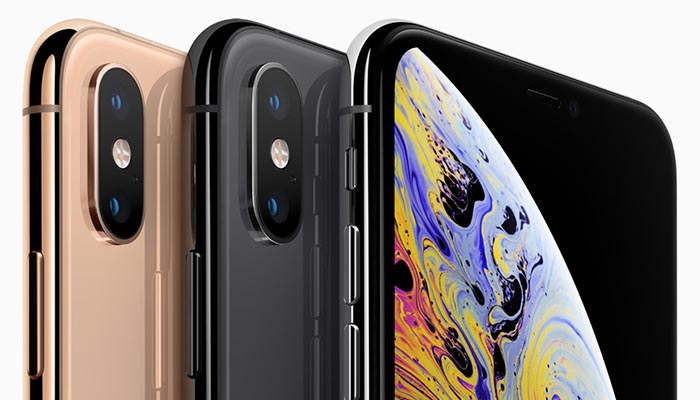
    In the last few years, we’ve seen premium smartphone prices get a little out of control. When Apple unveiled the iPhone X and the public found out it would cost a cool $1,000, people were a little shocked. Likewise, when the Samsung Galaxy S9 was announced to be at that same price point, people were concerned about the trajectory of smartphone prices.

    The latest move in this direction has been the absurd asking price for the upcoming Samsung Galaxy Fold. The super-premium smartphone will retail for nearly $2,000, making it twice as expensive as the line that many feel is too high for smartphones. In addition to this, smartphone sales are lagging across the board. What does this mean for the industry?

    Sales Trends

    Apple has been posting consistently slumping sales for the iPhone line. This isn’t due to the quality of the phones: ostensibly, the iPhone XS is the best iPhone ever. The XR, it’s less-expensive cousin, has sold far better, though, despite having notably weaker hardware under the hood. This is because it costs a solid $250 less. It seems consumers don’t mind shelling out $750 on the high end, but $1,000 is simply unreasonable for the average consumer.

    Samsung has experienced similar sales trends. Their tremendously expensive Galaxy S9 and Galaxy S10 handsets have sold poorly when compared to their predecessors, though Samsung’s A-series of more budget-friendly phones has sold incredibly well. If this has taught phone manufacturers anything, it’s that less-expensive phones are the preferred type in the modern landscape. But why is that?

    Stronger Phones, Longer Lifespans

    There was a point in time when people would trade their phones out for the newest model once every two years or so. This cycle was so consistent that manufacturers literally had strong years and weak years to incentivize it. Today, though, the average consumer is waiting three years or more before they trade their phone up for a new one. Phones aren’t just more expensive, they’re better across the board than in the past.

    In general, smartphones are better now than ever before. Crisp screens, unbelievable cameras, fast processors. Even phones in the $500 to $750 range are unbelievably powerful. For the average consumer, a strong phone with a good camera that gets tons of software updates is just as good as the hottest new thing. Besides, why shell out $1,000 for a new phone when your current phone works fantastically well?

    Software, not Hardware

    Hardware revisions in recent years have slowed in intensity greatly. At one point in time, each new generation of phones brought huge increases in power and speed. Now, each new model year is iterative instead of revolutionary. There’s not a lot distinguishing the iPhone X from the XS, or the Galaxy S9 from the S10.

    Instead, software updates are the meat of the current smartphone cycle. Android is polishing their next OS update, Android Q, while Apple is hard at work on iOS 13. These two are likely to be bigger news than whatever new handsets the two companies drop this September. After all, iPhones all the way from the SE can use the new iOS, making them feel like they have a new lease on life.

    What Will Change

    It wouldn’t surprise us if the big phone manufacturers slowed down significantly on hardware production. Rather than trying to dress up minor revisions as brand-new handsets, it’s more likely we’ll see them issue a main flagship phone, its budget sibling and an XL version, and hold on to those for around three years. Then, when a major shift does come along, they can push out their newest handset, organically picking up new users along the way with software updates.

    Or maybe they’ll keep throwing $2,000 folding phones at us. Who knows?

  • Best Smartphones in 2019: Best Phones Money Can Buy

    Best Smartphones in 2019: Best Phones Money Can Buy

    When it’s time to upgrade, you want nothing but the best. If money is truly no object and you want to own the very best cellphone, you’ve got an overflowing number of options in 2019. From Samsung phones with killer displays to Google’s unbelievably cameras, there are ample options. If you’re looking for something from Apple, the newest iPhone X models are also stellar options.

    Today we’re breaking down some of the top smartphones on the market and what each offers. For today’s list, we’re not worried about price: we’re only concerned with raw performance. Here are the best of the best, the cream of the crop, the best smartphones that money can buy.

    Android or iOS?

    While the conversation about the best phone rages on, so does the conversation about the best phone OS. Of course, both iOS and Android have their distinctive pros and cons. However, we’re not going to tell you which side to pick, so we’ve included top phones from both sides of the ongoing smartphone wars.

    iPhone XS

    The newest iteration of Apple’s revolutionary iPhone X line is a worthy successor to the phone lineage that started the smartphone craze. No physical face buttons, no fingerprint reader and no bezels, aside from that controversial screen notch, make this a sleek, black mirror. The Face ID unlocking tech is stellar, working in a variety of lighting and weather conditions. This tech is truly years ahead of other phone maker’s facial recognition. This is all powered by the unparalleled A12 Bionic chip running the phone.

    The iPhone XS also sports a number of incredible cameras, each taking stellar pictures in both standard mode and portrait mode. What’s more, those pictures pop incredibly on the XS’s massive OLED screen, its deep blacks and vibrant colors making for a truly impressive handset. That being said, this is quite the pricey phone: starting out at $1,000 for the normal size one, and jumping even higher for the larger iPhone XS Plus, this one will set you back. However, that’s the price you pay for the best iPhone ever made.

    Samsung Galaxy S10 Plus

    If you didn’t expect the Samsung Galaxy line’s newest iteration to show up, you might not be a smartphone enthusiast. The S10 Plus carries forward a number of innovations seen on prior iterations of the Galaxy line, including a long battery life, a huge screen and a top-of-the-line processor. While the Infinity-O design isn’t the most popular design decision Samsung has ever made, but it’s easy enough to overlook.

    Using the MicroUSB input, you can expand the phone’s storage to an impressive 1.5 TB. That’s a lot of music and photos! Likewise, the phone’s astonishing Live Focus photo style looks incredible for pictures taken with the interior selfie cams. Now, if only those selfie cams didn’t cut an ugly hole in the middle of the screen…

    Google Pixel 3 XL

    The closest thing to an iPhone you’ll see on the Android platform, Google’s Pixel phone line has the keys to the Android kingdom. As Google makes Android, their in-house smartphone line gets all of the latest goodies and updates for the OS. Essentially, this is the Apple “walled garden” design ethos, but executed on an Android device.

    The Pixel 3 XL impresses in pretty much every way. The screen is huge and gorgeous. Camera performance is unparalleled and blows us away every time. The processor running under the hood gives Apple a run for their money, and that’s really saying something. If you’re interested in being on the cutting edge of Android updates and love Google’s design philosophy, then you’ll love the Pixel 3 XL.


  • Which is the Better Smartphone OS, Android or iOS?

    Which is the Better Smartphone OS, Android or iOS?

    When it comes to smartphone platforms, there are two big names to choose from. On the one hand, you have iOS, the original smartphone operating system and a very stable option from Apple. On the other hand, you have the much more open Android system from Google that is used on most other major smartphones. Which is the right call for you?

    Android vs iOS

    Open vs Closed Systems

    Apple is known for their user-friendly, “it just works” attitude towards design. In order to achieve this, however, Apple’s platforms, like iOS and Mac OS, are much more closed-off. While iOS is a very user-friendly and pleasing platform, it doesn’t offer the same range of customization and granularity that Android does.

    Android, on the other hand, has a bit more of a learning curve. It’s more akin to using a Windows computer than a Mac. There are a ton of options available to users, but they also require you learn a lot about your phone and how it works. That said, this openness also comes with a price: platform instability and malware.

    Aesthetics and Functionality

    Generally speaking, both iOS and Android allow users to do roughly the same things. Sending text messages, making phone calls, navigating the internet and using apps are all the same across the two systems. Both allow for music playback, both have support for all major apps and neither has a glaring hole in its functionality.

    If you like the idea of controlling the aesthetics of your phone’s operational appearance, however, Android is for you. Landing pages, backgrounds and basic phone operations are much more malleable on Android, though this does mean you can accidentally make your phone very difficult to navigate effectively.

    The Phones

    One of the biggest drawbacks to iOS is the closed nature of the system in more ways than one. Namely, iOS is only available on iPhones, and not everyone loves Apple’s design ethos. Some people just can’t afford the newest Apple phones, while others don’t like the minimalist design.

    Android, on the other hand, is available on phones from a wide number of manufacturers at wildly varying price points and design styles.

    Bottom Line

    If you’re the kind of person who likes an “all-in-the-box” design style, you’ll love Apple’s iOS. If you prefer to customize your phone and make everything your own, however, you’ll likely prefer to use Android.

  • Are You Spending Too Much Time on Your Phone?

    Are You Spending Too Much Time on Your Phone?

    Smartphones have changed the way we live our very lives. They’re alarm clock, timer, flashlight, calculator, game system, portable computer and, of course, phone, for the modern human. However, many people feel as though they may be spending too much time on their smartphones. When is it time to make a change?

    Too Much Time on the Smartphone

    Ignoring Family

    We’ve all been hanging out with friends or family and then noticed that no one was talking to anyone. Everyone was just scrolling through their social media, or reading an article, or texting. If you find you’re missing out on quality time with loved ones, make an effort to keep your phone in your pocket when hanging out.

    It’s easy to get sucked into your phone. Consider silencing notifications from social media apps, and even just leaving your phone off or on silent. In an emergency, people can reach you. Otherwise, why stay glued to the phone all day? You’ve got a life to live right in front of you.

    Wasting Time

    You know that slurping sound that Facebook makes when it siphons your free time? The feeling of the minutes whiling away as you scroll, infinitely, down the page makes your stomach sink. Stop doing it. There’s nothing new or exciting or interesting happening on your Facebook feed, your Twitter feed or your Instagram feed.

    These apps are designed to harvest your data and then sell it to ad agencies for a lot of money. That’s it. They’re mindless, they’re not keeping you “up-to-date” or “informed,” and they’ve been shown to have a negative effect on mental health. Just stop scrolling.

    Mental Health

    Yes, you read that right. Social media is linked to making people feel more insecure, more depressed and less fulfilled in their own lives. When you’re constantly exposed to clickbait media, fake news articles and manufactured outrage, it becomes grating. Why subject yourself to such a toxic mix of badly curated media?

    Social media can be great for keeping up with friends and current events. Seeing new pictures of family, updates on vacations and news blurbs are all great. However, aside from these highlights, there’s nothing to be gained by scrolling down the infinite feed forever. You’re just subjecting yourself to drivel for no reason.

    How to Quit

    Compulsively checking one’s phone is addicting. Consider getting a smartwatch, or a normal wristwatch. This gives you something to check for the time without pulling out your phone to suck up your hours. Another option is getting into a hobby that is engrossing and doesn’t leave time to constantly check your social media.

    In an extreme case, if you feel like you’re spending too much time on your phone and just can’t stop, take drastic measures. Uninstall your social media apps. Turn off your cellular data. Heck, just turn your phone off. You’ve got a life to live, so live it.

  • Is 5G Going to be That Big a Deal?

    Is 5G Going to be That Big a Deal?

    Verizon unveiled their first public test of a 5G network yesterday in Chicago. This occurred well ahead of the April 11th target date. However, the question remains: is 5G going to be that big of a deal? Today we’re going to look at what the experts are saying about this new network connectivity standard.

    5G Phone Speeds

    What is 5G?

    In simple terms, 5G is simply the next step in wireless connectivity. It’s not some new type of connectivity, it’s just significantly faster than existing technology. The current wireless infrastructure works on 4G LTE, a standard that was unveiled in the early 2010’s. 5G is a new standard that is promising to be between 10 and 100 times faster.

    If phone manufacturers are to be believed, 5G will be the biggest shift in smartphones yet. The speeds are promised to be so good that some people will have faster internet on their phone than in their home. Verizon has stated you could expect “typical speeds of 450 megabits per second, with peak speeds of nearly 1 gigabit per second, and latency less than 30 milliseconds.”

    More than Just Phones

    There’s more going on with 5G than just fast phone speeds, though. 5G speeds will enable new uses of technology, such as remote surgery for isolated regions. Remote surgery will allow doctors in remote regions to contact doctors who can walk them through a surgery step-by-step using technology and robotics.

    Another example of 5G uses outside of phones will be for city planning. Cities will be able to link their traffic lights via a 5G network and make sure they all stay synced up. This will allow for traffic to flow much more easily.

    When Will This Arrive?

    5G speeds are being tested now in limited markets, specifically in Chicago. As 2019 rolls on, more 5G tests will be seen in other large cities. As for a nationwide rollout, it might be late 2020 before all areas in the US have 5G coverage. For the time being, you don’t need to futureproof: 5G phones won’t be on sale until later this year.

  • Best Cell Phones Money Can Buy in 2019

    Best Cell Phones Money Can Buy in 2019

    Smartphones have hit something of a plateau in the last two years. While previous generations of phones were revolutionary, the last two have been more evolutionary. Leaps and bounds have given way to baby steps.

    That doesn’t mean the top-of-the-line isn’t still the most impressive type of phone you can find! It just means that this year’s high-end doesn’t look too different from last year’s. However, these are the top-of-the-line, and the best phones you can buy.

    Best Phones Money Can Buy

    Samsung Galaxy S10 Plus

    Samsung is known for being one of the best phone manufacturers in the world. Their stellar Galaxy line has been a defining flagship of Android for years now. The newest entry, the S10, is no exception, and it’s bigger brother, the S10, is one of our favorite smartphones. It has a huge, gorgeous OLED display, cutting-edge specs under the hood and great cameras.

    If you love Android over iOS, this is the best phone you can get on the platform. The cameras are killer, taking pictures of great quality in numerous conditions. The processor is fast and responsive, and multitasking is easy on this great phone. The only drawback? That huge $1000 price point.

    iPhone XS

    The iPhone X introduced a new paradigm for Apple’s handsets in 2017. Removing the home button and increasing the screen size to a nearly bezel-free display dramatically changed the look of the phone. The iPhone XS is all that, plus a newer A12 Bionic chip that makes other smartphones look like calculators.

    Apple’s product design might be your cup of tea or it might put you off. We’ll leave that question of taste to you: however, if you want the best iPhone on the market, it’s the XS. If you don’t mind paying a bit more, the XS Max sports a huge battery and a huge 6.5 inch AMOLED screen.

    Google Pixel 3

    The makers of the Android operating system bring in their best hardware with the Pixel 3. The Google Pixel 3 is most well-known for its incredible camera. By some metrics, the Pixel 3 has one of the best cameras you can find on a smartphone.

    The Pixel 3 is a great competitor to the Samsung line of phones, bringing a big, vibrant display and great features like a Night Mode for shooting pictures in the dark. If you’re an Android fan who wants to take pictures with their phone a lot, the Pixel 3 is for you.

  • 5G Smartphones: What Phones Will Use the New 5G Tech?

    5G Smartphones: What Phones Will Use the New 5G Tech?

    5G technology is on the horizon, and we can expect to see the first phones using the new tech by the end of the year. Many people have wondered what the first phones using the tech will be.

    Today we’re going to delve a bit deeper into 5G technology and the smartphones we can expect to take advantage of it.

    5G Smartphones

    5G Technology

    5G technology, for the uninformed, is the next step in wireless connections. If you remember back when 3G was phased out in favor of 4G LTE, you’re familiar with what this process looks like. Originally, 4G was only available in large metro areas and only on the newest and best smartphones.

    The roll-out of 5G tech is likely to track quite similarly. Much like 4G LTE, 5G is a huge step up in terms of speed and accuracy. It will likely first be rolled out to primarily large cities where it can service the largest numbers of users. Over time, it will be rolled out nationwide.

    The Phones

    Most phones that are on the market today will not have 5G compatibility, so this likely won’t even affect you until you upgrade. You won’t need to upgrade for a bit unless you’re living in an early-access area like New York or LA, though.

    If you’re interested in future-proofing, you can pick up one of these 5G-enabled phones in the coming months as they become available.

    Samsung Galaxy S10 5G

    Samsung will be coming out of the gate strong with a 5G version of their Galaxy S10. What can we say about the Galaxy S10 that hasn’t already been said? It’s a great phone with a great suite of useful features, a beautiful display and a stellar processor. Add lightning-fast 5G speeds to that and you’ve got a real winner.

    iPhone 12

    We know what you’re thinking: iPhone 12? They haven’t even released the 11 yet! Well, rumor has it that Apple likely won’t be rolling out 5G integration on this year’s upgrade. Given the slow roll-out of 5G nationally, Apple’s focus won’t be on that tech until 2020, with the eventual launch of the iPhone 12.

    Huawei Mate X

    If you don’t mind importing, or dealing with a somewhat shady company, the Huawei Mate X will be releasing later this year. This folding, 5G-ready phone looks like a sci-fi device. The Chinese smartphone maker Huawei has been in hot water recently over some scandals, but they still make great phones.

  • Our Favorite Android Phones

    Our Favorite Android Phones

    The Android platform for smartphones is a very popular operating system. Many people are often wondering what the best phone on the OS is. If you’re looking to get the biggest bang for your buck with an Android phone, you might be wondering what our picks are.

    Today, we’re breaking down our favorite Android phones.

    Our Favorite Android Phones

    Samsung Galaxy S10

    Samsung’s name is nearly synonymous with high-quality Android phones. The Galaxy line has been consistently impressive in the decade since its launch, and the S10 is no exception. This phone has a big, beautiful screen and a wonderful display. If you’re a fan of watching videos or playing games on your phone, the Galaxy S10 is a great phone for you.

    Likewise, the processor in the S10 is a fantastic companion for gaming and multitasking. It’s fast-paced, allowing for quick flipping to various apps and high productivity. In short, the S10 is one of the best phones on the Android OS. It’s on the pricey side, however, as it’s the newest smartphone from Samsung. It comes in at $750

    Google Pixel 3

    Google’s becoming a big name in the world of Android phones recently, which is an interesting twist. Despite owning the Android operating system, Google hasn’t been a huge name in terms of hardware until recently. The Pixel 3 sports a beautiful display, a top-notch camera and a stellar processor.

    The Pixel also offers a great series of features, including wireless charging, water-resistance and a Night Mode for shooting in low-light conditions. There’s a lot to love about the Pixel, though it is a bit more expensive than the Galaxy S10. Starting at $799 for the normal Pixel 3, that shoots up to $999 for the XL version.

    OnePlus 6T

    If you’re looking for a great value on a high-tech smartphone, the OnePlus 6T is a huge bargain. Coming in at $550, the 6T is an import-only phone but a surprising value for the price. It sports a slick in-display fingerprint scanner, a gorgeous screen and good cameras.

    While it’s not going to go toe-to-toe with Google or Samsung’s phones, the OnePlus 6T is still a solid phone for Android lovers. If you’re looking for a high-quality smartphone that doesn’t break the bank, the 6T is a great place to start. It’s at the intersection of high tech and budget friendly.

  • The History of the Smartphone: How We Got Here

    The History of the Smartphone: How We Got Here

    For most people, the smartphone era began in 2007, with the landmark release of the Apple iPhone. While this was a huge moment in the history of smartphones, the iPhone wasn’t the first. In fact, as far back as 1992, a commercially-available device was unveiled by IBM called the Simon Personal Communicator.

    The History of the Smartphone

    The First Smartphone

    The very first smartphone, the Simon Personal Communicator, was first unveiled in 1992. It was made available or consumers in 1994, sporting an astonishing price tag of $1,100. If that sounds like a lot for today, imagine how much it was in the mid-90’s!

    The SPC was a revolutionary device at the time, sporting a monochromatic display and some rudimentary features that might be recognized now as apps. Email access, an address book, access to your faxes (ha) and even a touchscreen display were all at play with this device.

    Now, the Simon Personal Communicator was a mild success, selling 50,000 units in six months. However, it would go forgotten to the sands of time for roughly a decade. In 2007, Apple perfected what IBM started.

    The iPhone’s Impact

    Before 2007, the SPC could be seen as a bit of an aberrant blip in the world of cell phones. However, when Apple blew the doors open on full-screen smartphones, it was a revolution. The elegant full-screen phone was an instant smash hit, with other manufacturers rushing to duplicate Apple’s success.

    An early example of one such imitator was HTC. The company quickly rose to prominence with devices made using Google’s Android software, running as a direct competitor to Appel. In recent years, the market has shifted more towards Samsung, who makes the ever-popular line of Galaxy smartphones.

    Where We’re Heading

    Smartphones have plateaued in recent years, showing less growth from generation to generation. The advent of high-resolution OLED technology, face-scanning biometric locks and highly-advanced machine learning chips have all brought us closer to the “definitive” smartphone experience.

    If there’s one thing technology hates, though, that’s stagnation. The next big thing in the world of personal communication is likely right around the corner, though there are no clear contenders out there at the moment.

    For a brief time, wearable tech seemed to be the most likely course, with the Apple Watch and its many imitators making a brief splash. However, these seem to have been more of a fad.

    Samsung has been toying with a novelty folding smartphone that sports an interior, foldable display, though we’re uncertain as to how popular this will prove. Only time will tell where we head next!

  • Android: The Story of the Biggest Mobile Operating System

    Android: The Story of the Biggest Mobile Operating System

    When Apple unveiled the iPhone in 2007, it started the smartphone revolution. It’s hard for some people to remember a time before smartphones, in fact.

    However, for those who kept up with technology back in the late 2000s, it was like watching history unfold before one’s eyes.

    Shortly after the introduction of the iPhone, Google purchased Android, Inc., a company hard at work on their own mobile operating system.

    The Android system would function as a platform-agnostic OS for use by any third-party phone manufacturer. The rest, as they say, is history…

    The Story of Android

    Beginnings

    Android Inc. began work on the Android OS in 2005, a full two years before their acquisition by Google. When Apple up-ended the mobile phone market with the iPhone in 2007, Google moved quickly to get their slice of the pie. They snatched up Android, Inc. and unfurled plans to license the OS for third-party phone manufacturers.

    In this way, Android is not dissimilar from Microsoft’s Windows operating system. Much like Windows, Android can be used on third-party hardware, is more “open,” and competes directly with a proprietary Apple system.

    Hardware

    The very first commercially-available Android device was the HTC Dream, released in September 2008. This began the long-lasting association between HTC and Android, as HTC’s flagship phones defined the Android platform for years.

    However, HTC’s dominance in the field would wane eventually. In recent years, HTC has been eclipsed by Samsung’s Galaxy line of phones. Likewise, Google’s own Nexus line of devices has since given way to the Google Pixel lineup. Countless other devices have used the Android OS, from Motorola to Huawei, and the platform runs nearly unopposed in the Chinese smartphone market.

    Today

    In the modern era, Android supports 2 billion users, making it the largest mobile OS in the world by a wide margin. This is due to a few factors. For one thing, it has no meaningful competition outside of Apple’s iPhone line of products. While some competitors, like Windows Phone, have appeared, they’ve largely been unable to make a dent in Android.

    While iPhone’s Apple OS is a solid and user-friendly mobile OS, its biggest limitation is also its biggest strength. It’s closed-off and appears only on Apple devices. Android, on the other hand, is an open OS that can appear on pretty much any manufacturer’s phones. This gives it reach that Apple’s OS simply can’t have, as only so many iPhones will be sold.

    The future today seems to be quite bright for the Android OS. As it stands, it seems unlikely any other mobile OS could overtake the dominant Android. Even Apple, with their highly successful iPhone, isn’t in any danger of being overtaken by a new competitor. Time will tell, however, what new permutations the Android OS takes as phone change and evolve with new technology.